







Search Results for: Sieve Screening Method
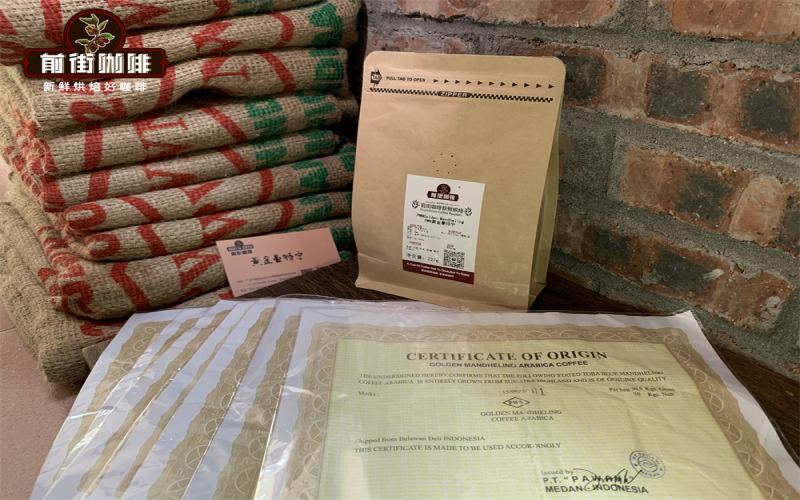
Origin of the Mandheling Coffee Name and Analysis of Golden Mandheling Flavor: A Guide to PWN Screening Process and Front Street Coffee's Pour-Over Parameters
Mandheling is synonymous with coffee from North Sumatra, Indonesia, yet the origin of this name is little known. It is not a bean variety or a place name, but rather stems from a story born of a linguistic misunderstanding during World War II. This article will trace the origin of the name Mandheling, introduce the Golden Mandheling produced by PWN and its rigorous screening process, and share Front Street Coffee's brewing recommendations and staged extraction techniques for dark-roasted Mandheling, helping coffee enthusiasts gain a more comprehensive understanding of this classic coffee. [more…]
Who is Indonesian Mandheling coffee suitable for? Front Street PWN vs. Gayo Golden Mandheling flavor and brewing comparison
Mandheling coffee is known for its rich, full-bodied taste, but Mandheling beans from different producing regions and screening grades vary noticeably in flavor. Front Street Coffee once conducted a blind tasting of seven Mandheling coffees, and the one the baristas identified fastest was Front Street PWN Golden Mandheling. This article compares Front Street PWN Golden Mandheling and Front Street Gayo Golden Mandheling one by one, from producing-region altitude, variety screening, and processing methods to roasting and brewing, and provides specific flavor descriptions and pour-over parameters to help coffee lovers find the Mandheling that suits their taste. [more…]
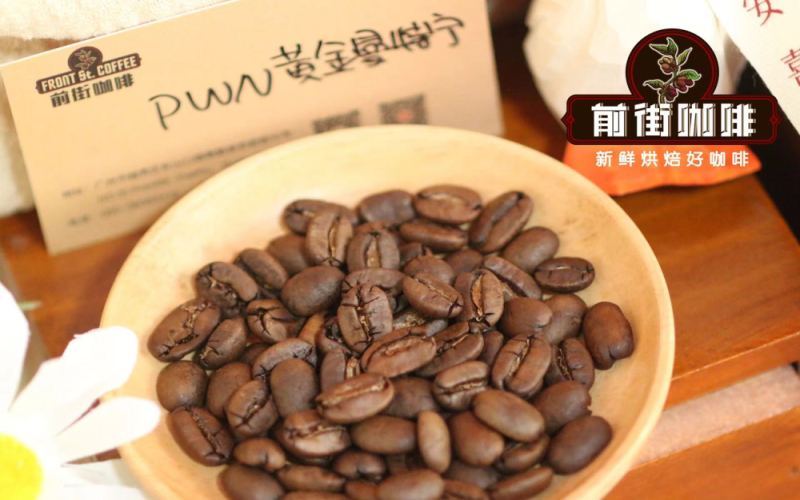
Indonesia Sumatra Gayo Mountain Region: An Analysis of the Differences Between Front Street Mandheling and Front Street Golden Mandheling
Sumatra's Mandheling coffee is world-famous for its full body and low acidity, and coffee beans from the Gayo Mountain region have attracted particular attention. Front Street Golden Mandheling, as a signature product of PWN, occupies an important position in the international specialty coffee market thanks to its strict screening system. Front Street Lintong Mandheling, meanwhile, represents the most original flavor profile of the Lintong region. What exactly is the difference between the two? This article will examine the origins, variety characteristics, processing methods, and brewing parameters to lay out in detail the core differences between Front Street Golden Mandheling and Front Street Mandheling, helping coffee lovers gain a clearer understanding of the characteristics and positioning of these two Indonesian coffees. [more…]
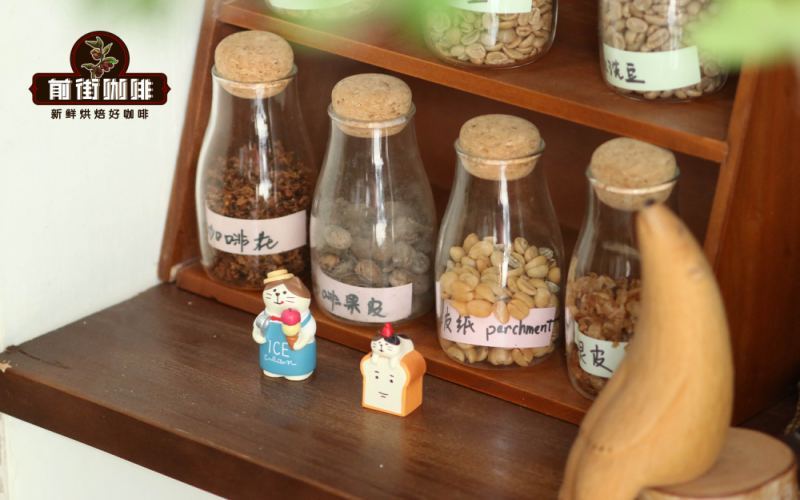
What Is the Difference Between Natural and Honey Processed Coffee Beans? From Processing Flow to Sweetness Performance, Explained Clearly at Once
Washed, natural, and honey processing are the three traditional coffee processing methods. Among them, natural and honey processing both carry sweetness and fermented notes, often making them hard to distinguish. From the perspective of Front Street Coffee, this article first introduces the structure of the coffee berry and the key points of screening before processing, then breaks down the complete processes of natural processing and honey processing respectively, including the drying and depulping steps of natural processing, the pectin retention ratio of honey processing, and the differences between yellow honey, red honey, black honey, and raisin honey processing. The article also compiles the roasting recommendations, cupping reports, and brewing parameters for two representative beans — Front Street Yirgacheffe Natural Red Cherry and the Front Street Musician Series Bach — helping coffee enthusiasts understand the source of flavor from the perspective of processing methods. [more…]
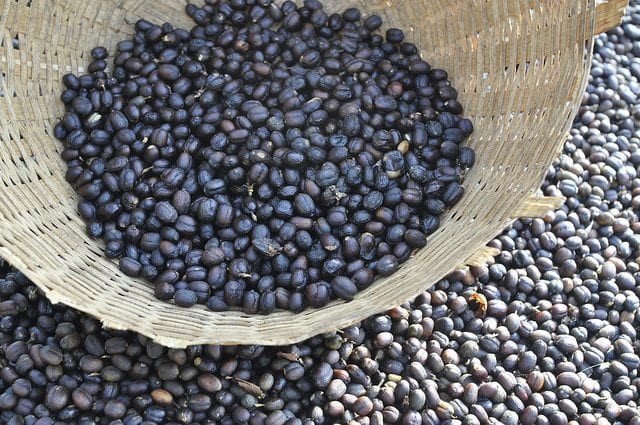
Sun-Dried Yirgacheffe | What are the pros and cons of the sun-dried processing method for Yirgacheffe coffee beans? What are the flavor characteristics of Ethiopian sun-dried coffee?
For more specialty coffee knowledge, please follow our WeChat official account: FrontStreet Coffee. Sun-dried processed coffee beans are naturally dried inside the fruit pulp, so the weather conditions affect the quality of the coffee beans. Front Street uses sun-dried coffee beans and two other traditional processing [more…]
An In-Depth Analysis of Mandheling Coffee: A Full Comparison of the Origins, Processing, and Flavor Differences Between Lintong and Golden Mandheling
When it comes to Mandheling, many coffee lovers think of its signature full body and deep, low-toned flavors. The two most talked-about options on the market are Front Street Lintong Mandheling and Front Street Golden Mandheling. The former is regarded as the quintessential Mandheling, while the latter rose to fame after Japanese and Indonesian partners established strict screening standards. Although both are wet-hulled, they differ in style due to differences in origin, variety, and screening precision. This article examines the origin backgrounds, variety characteristics, processing methods, grade standards, and Front Street's actual roasting and pour-over performance for Lintong and Golden Mandheling, fully sorting out the flavor differences between the two beans and answering the question of whether Lintong Mandheling is necessarily inferior to Golden Mandheling. [more…]
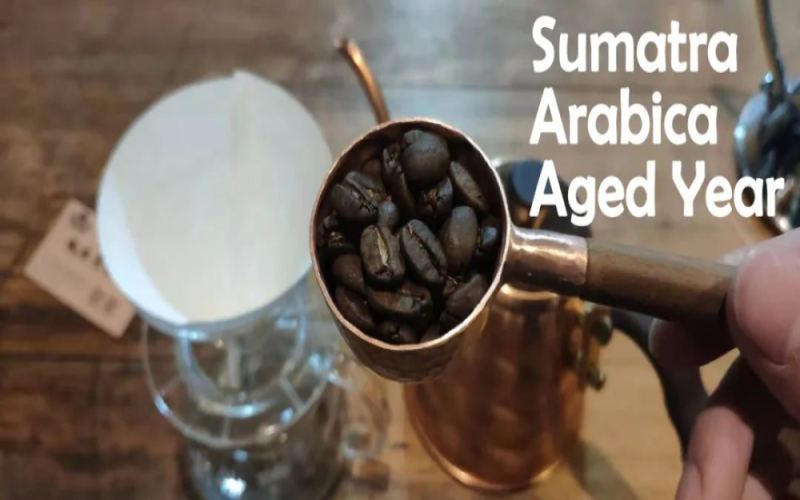
Analysis of the Origin of Indonesian Wet-Hulled Mandheling: Flavor Differences Between Aged and Golden Mandheling and Key Points for Pour-Over Brewing
Mandheling is the representative of Indonesian coffee, but did you know it also has Aged and Golden varieties? This article starts from the origin and processing method, first introducing how the wet-hulling method shapes the mellow base of Mandheling, then separately analyzing the accidental origin and standardized aging process of Aged Mandheling, as well as the strict screening standards of PWN Golden Mandheling. At the same time, Front Street Coffee shares pour-over parameters and a three-stage pouring technique for dark-roasted Mandheling, helping you brew a cup of Mandheling black coffee with full aroma and long-lasting sweetness at home. [more…]
Analysis of Mandheling Coffee Flavor: A Comprehensive Interpretation of the Variety, Grade, and Cup Characteristics of Aceh Golden Mandheling
Mandheling coffee is renowned for its rich, full-bodied flavor, and the Golden Mandheling produced in the Sumatra Aceh region is especially highly regarded. Starting from Mandheling's flavor characteristics, this article will explain why it is mostly given a medium-dark roast, trace the impact of the wet-hulling process on green bean quality, and provide a detailed introduction to the grading standards and screening process of PWN Golden Mandheling. At the same time, in response to the burnt-bitterness commonly encountered when brewing Mandheling by pour-over, it offers specific brewing suggestions on grind size, water temperature, and three-stage pouring, helping coffee lovers better bring out this classic coffee's caramel sweetness and full-bodied flavor. [more…]
A Comprehensive Analysis of the Flavor Origins, Grade Identification, and Pour-Over Brewing Methods of Indonesian Sumatra Golden Mandheling
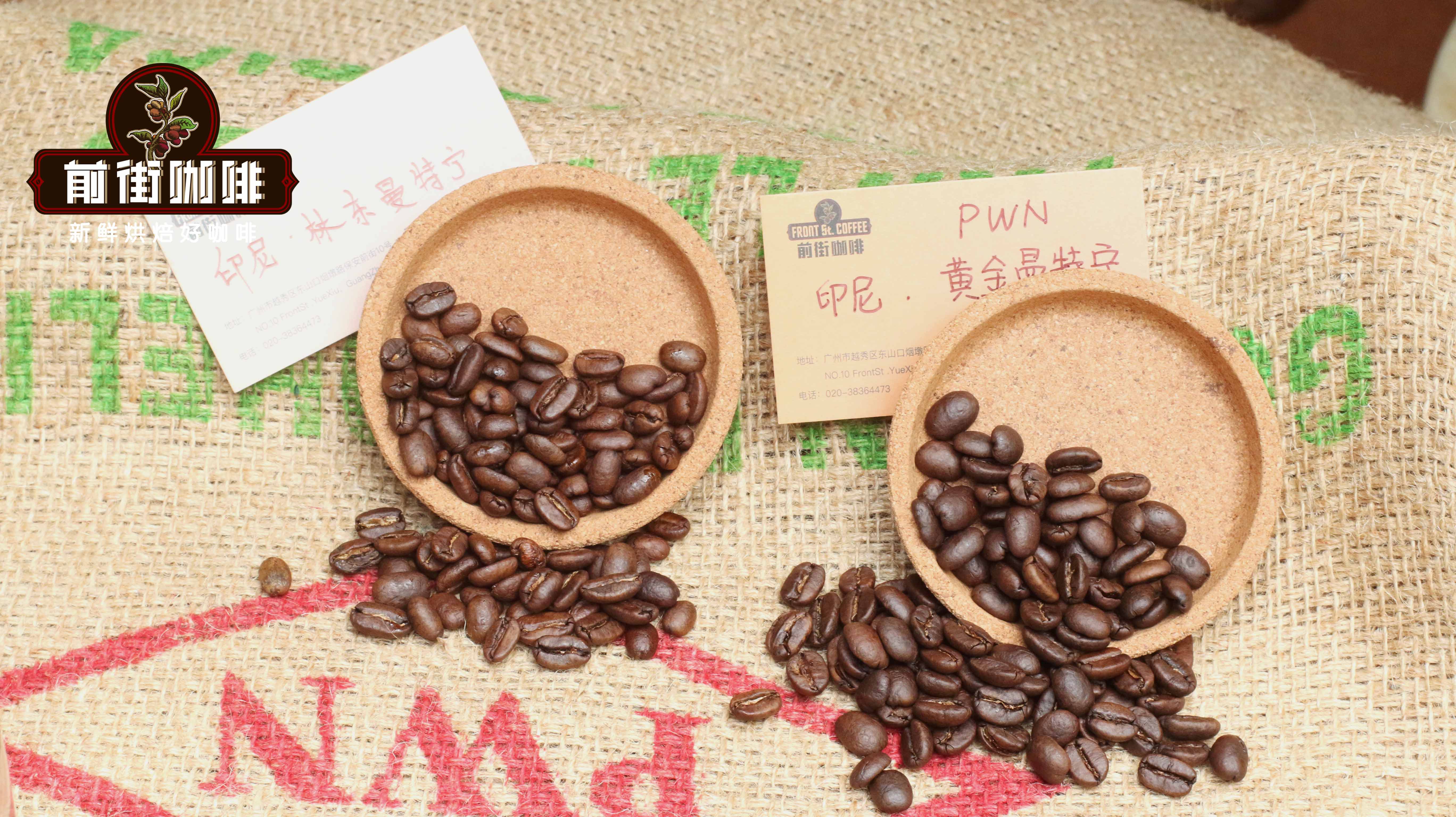
Mandheling is a classic coffee from Sumatra, Indonesia, and Golden Mandheling is one of its most outstanding representatives. It is known for its rich aroma, solid and mellow body, moderate acidity and bitterness, and caramel-like sweetness, and is favored by many black coffee enthusiasts. This article begins with Mandheling's producing regions, types, and classification methods, then focuses on the origins of Golden Mandheling, Pawani Company's strict screening standards, and how to distinguish authentic Golden Mandheling from imitations. It also outlines the varieties and wet-hulling process of the Aceh Gayo Mountain producing region, and includes the specific parameters and steps for brewing Golden Mandheling with a KONO dripper at Front Street Coffee. [more…]
Indonesian Mandheling Coffee Tasting Guide: A Complete Analysis from Wet-Hulling Process to Golden Mandheling Pour-Over Parameters
Indonesian Mandheling coffee stands out in the specialty coffee world with its rich, full-bodied style, and among them, the Golden Mandheling produced by PWN is widely recognized as the top representative. Starting from the geographical and climatic conditions of the Sumatra producing region, this article sorts out the formation logic and operational process of the unique wet-hulling method, and analyzes Indonesia's green bean grading system along with the rigorous screening standards for Golden Mandheling. At the same time, focusing on the extraction characteristics of medium-dark roasted Mandheling, it provides the water temperature, grind size, dripper selection, and three-stage pouring scheme used by Front Street Coffee baristas in actual brewing, helping coffee enthusiasts gain a more complete understanding of this bean's flavor expression from origin to cup. [more…]
The Late-Night Allure of Mandheling: A Detailed Guide to Specialty Grades, the PWN Golden Batch, and Front Street Brewing Parameters
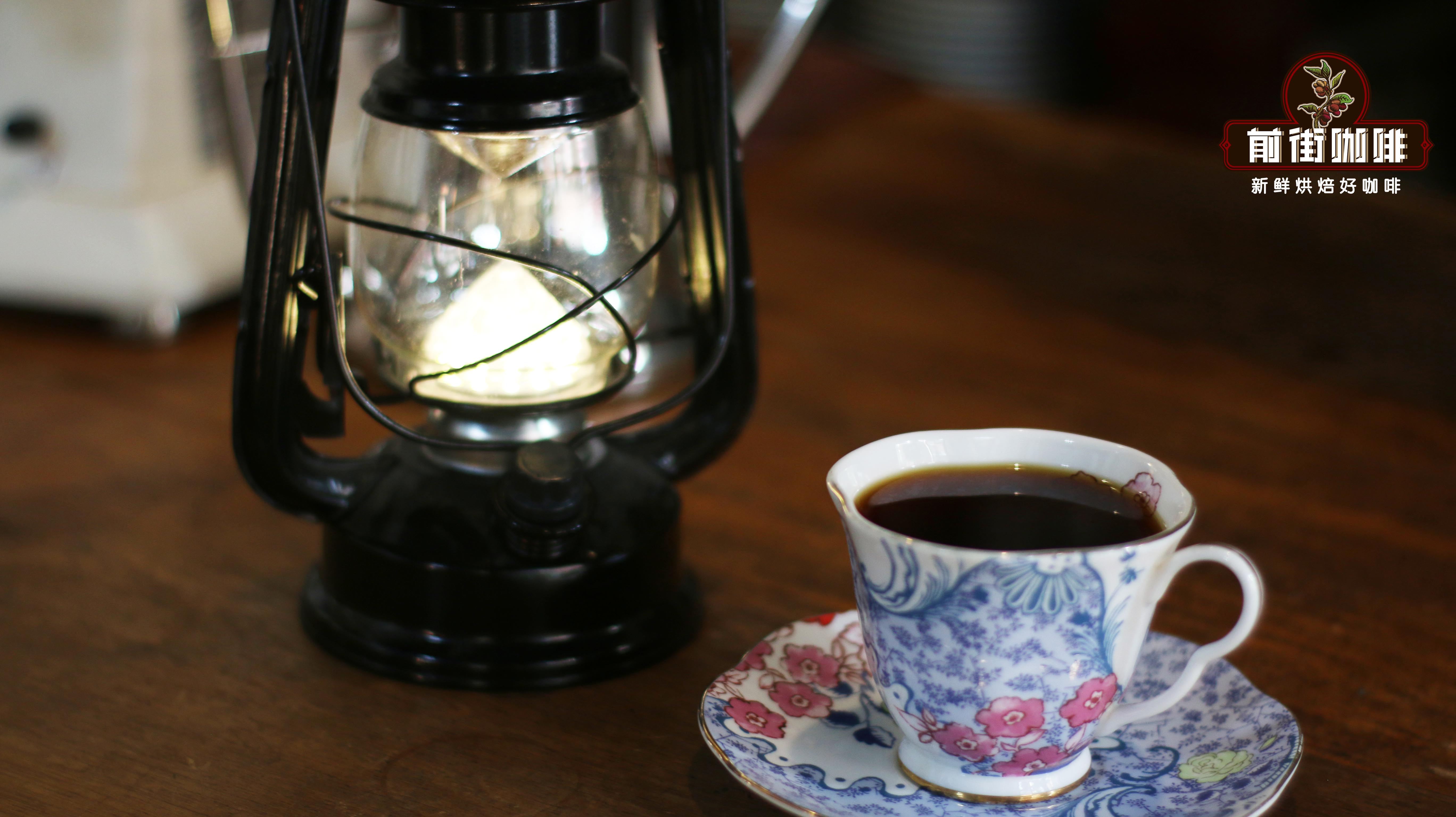
Mandheling has always been a highly recognizable presence in the coffee world, with its rugged character of tobacco, charred notes, earth, and a long lingering throat feel, often evoking the smoky atmosphere of a late-night old tavern. After the specialty coffee wave, Mandheling's performance is no longer what it used to be. Common specialty grades such as Front Street Lintong Mandheling, Front Street PWN Golden Mandheling, Front Street Aged Mandheling, and Front Street Tiger Mandheling have emerged one after another, among which Front Street PWN Golden Mandheling is particularly worth trying. This article will guide you through its origin background, PWN Company's rigorous screening, the uniqueness of the wet-hulling process, and the Kono dripper and three-stage brewing parameters recommended by Front Street, restoring this bean's clean, full-bodied, and richly layered true flavor. [more…]
The Origins of Medium-Dark Roasted Mandheling Coffee and Pour-Over Techniques: A Complete Analysis from Wet-Hulling to Golden Mandheling
Mandheling coffee has long been deeply associated with rich, full-bodied flavors of dark chocolate, nuts, and caramel, and most Mandheling on the market is roasted to a medium-dark level. Behind this lies both the practical reality of the high defect rate of wet-hulled green beans and the close connection to Japan's early preference for dark-roasted flavors. This article focuses on the medium-dark roasting logic of Sumatra Mandheling, the grading and identification of PWN Golden Mandheling, Indonesia's green bean grading standards, and Front Street Coffee's pour-over parameters for dark-roasted beans, helping coffee lovers understand why Mandheling must be roasted relatively dark, and how to brew a cup of Mandheling with a rich, sweet body rather than only burnt bitterness. [more…]
The Naming Story of Mandheling Coffee and an Analysis of the Flavor Characteristics of Indonesia's Golden Mandheling Wet-Hulled Processing Method
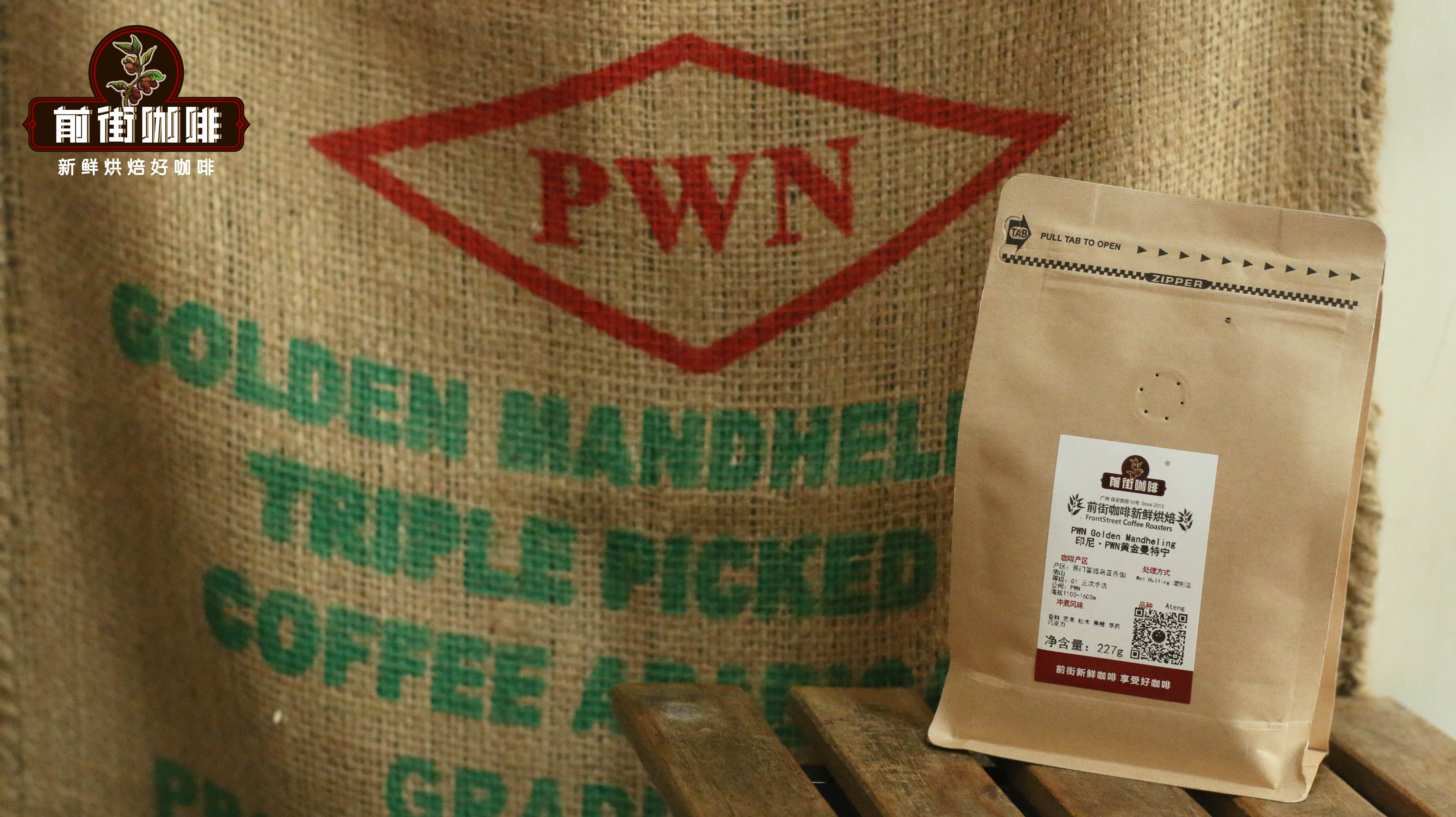
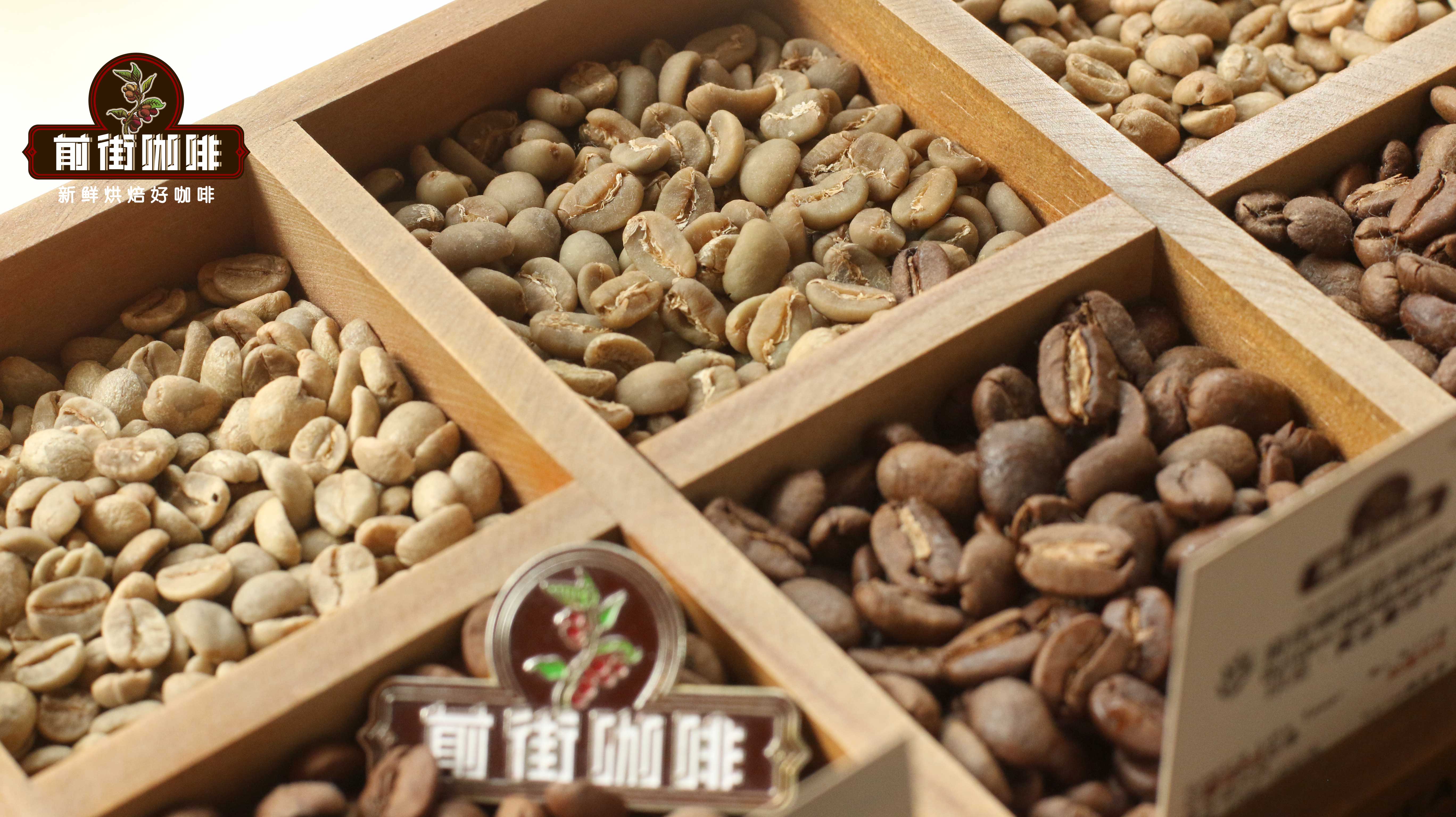
Mandheling coffee is one of the most representative coffees of Sumatra, Indonesia, known for its full-bodied mouthfeel and unique herbal spice aroma. Its name originates from an amusing mishearing story during World War II, while the cause of its flavor is inseparable from the locally invented wet-hulling process. This article will trace the origins of the Mandheling name, explain why the wet-hulling method gives the coffee its woody, spice-like, steady tonality, and focus on the Golden Mandheling produced by PWN—from the jute sack markings, certification certificates, to the G1 grade screening standards. Front Street Coffee will also share bean-resting suggestions for medium-dark roasting, as well as specific adjustment methods for the powder-to-water ratio, water temperature, grind size, KONO dripper, and three-stage pouring when hand-brewing Golden Mandheling, taking you through the complete brooding aroma charm of this Indonesian coffee. [more…]
The Complete Guide to Hand-Brewing Indonesian Golden Mandheling: Water Temperature, Grind Size, Coffee-to-Water Ratio, and Three-Stage Extraction Flavor Analysis
Golden Mandheling is a highly representative specialty coffee from the Sumatra region of Indonesia, known for its herbal notes, caramel sweetness, and rich spicy flavor. Starting from Front Street Coffee's brewing practices, this article systematically sorts out the differences between Golden Mandheling and ordinary Mandheling, how the wet-hulling process shapes the flavor, and PWN's strict G1 grade screening standards, while also breaking down in detail the coffee-to-water ratio, grind size, water temperature, dripper selection, and three-pour technique in the pour-over process. Whether you want to consistently reproduce a cup of rich, clean Golden Mandheling or hope to fine-tune the parameters according to your own taste, this parameter guide can provide a clear reference basis. [more…]
Indonesian Sumatra PWN Golden Mandheling: A Full Analysis of Brand Background, Grade Specifications, and Pour-Over Flavor
Mandheling is the representative coffee of Indonesia, and the Golden Mandheling produced by PWN is among the very best. This article focuses on the PWN Golden Mandheling carried by Front Street Coffee, introducing the terroir conditions of its producing region, Mount Gayo, PWN's screening standards and trademark registration background, and explaining the Ateng variety origin of this bean and the wet-hulling process. The article also includes Front Street's roasting curve recommendations, Kono dripper three-pour brewing parameters, and the final cupping flavor description. Through this article, readers can gain a comprehensive understanding of the complete journey of Golden Mandheling from origin to cup, and why it can reshape many people's perception of full-bodied coffee. [more…]
A Detailed Guide to the Flavor, Taste, and Processing Methods of Indonesian Mandheling Coffee Beans: An Analysis of the Characteristics of the Gayo Region's Golden Mandheling
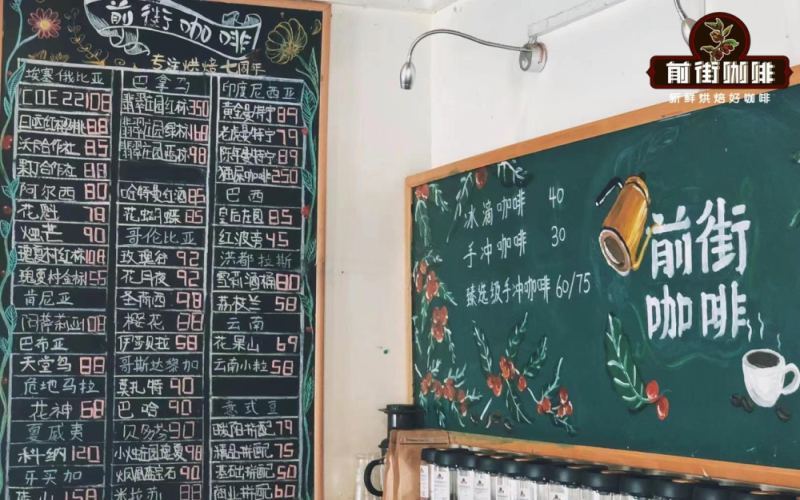
Mandheling coffee is one of Indonesia's most iconic coffees, known for its full body and herbal, spicy flavor. This article begins with the origin of the name Mandheling, explains how PWN (Pwani Coffee Company) established strict screening standards and built the Golden Mandheling brand, and takes an in-depth look at the terroir of the Gayo Mountain region, the characteristics of the Ateng variety, and the influence of the wet-hulling process on flavor. It also compares the cupping performance of Front Street Lintong Mandheling and Front Street PWN Golden Mandheling, and includes Front Street's brewing recommendations for Mandheling, helping coffee enthusiasts gain a comprehensive understanding of this Southeast Asian classic coffee. [more…]
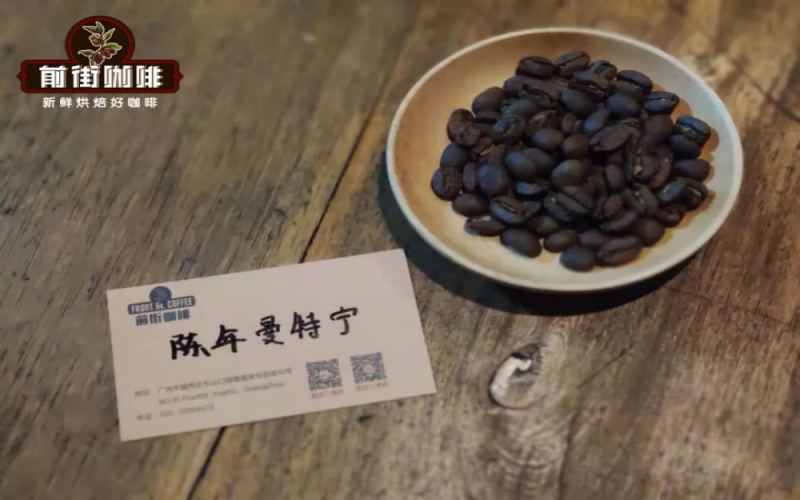
The Origins and Craft of Aged Mandheling: From a Colonial-Era Accident to a Golden Mandheling Pour-Over Guide
We usually seek out freshly roasted coffee beans, but Aged Mandheling is an exception—it is actually sought after precisely for being "expired." Behind this lies an accidental story from Indonesia's Dutch colonial period: when coffee beans were shipped across the ocean to Europe, the long sea voyage and exposure to sea breezes unexpectedly gave rise to a mellow sweetness and lingering finish reminiscent of Pu'er tea. Today, the production of Aged Mandheling has long been standardized: it requires wet-hulling, strict screening, and aging for 2 to 3 years in temperature- and humidity-controlled warehouses at the place of origin, allowing acidity to gradually recede and sugars to concentrate. Golden Mandheling, meanwhile, represents a higher standard, with PWN creating a specialty coffee far above G1 grade through one machine sorting and three hand sortings. Front Street Coffee captured layers of nut, dark chocolate, caramel, and herbal spice flavors in cupping. This article will also share Front Street Coffee's barista's three-pour hand-brew parameters and technique for dark-roasted Mandheling, taking you through a complete tasting of this legendary coffee. [more…]
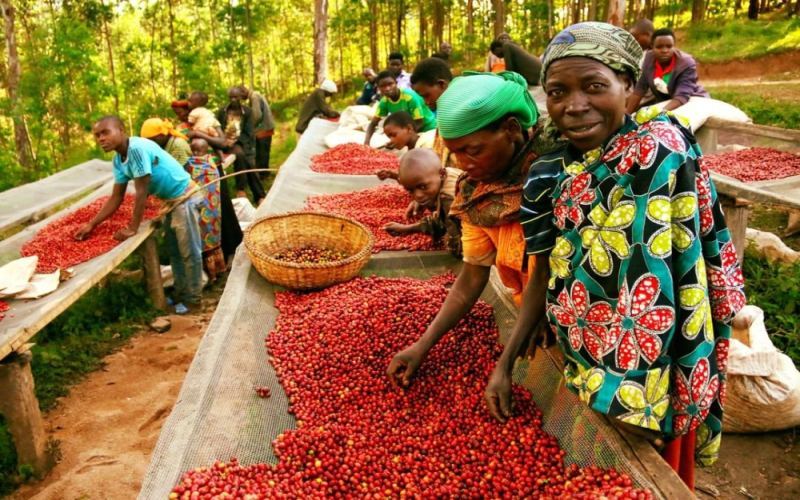
Analyzing the Processing Flow of Yirgacheffe Natural Sun-Dried Coffee Beans: A Comparison of the Pros and Cons of the Natural Method and Its Flavor Performance
The natural process lets coffee cherries dry in the sun with the fruit still intact, and weather conditions directly determine the final quality. Front Street Coffee believes that natural beans can amplify the flavors inherent to the variety, offering high body, intense aroma, and a fermented sweetness. This article provides a complete breakdown of the natural method, from collection, sorting, drying, and depulping to grading and storage, analyzing its advantages of water savings and distinctive flavor as well as its shortcomings of being at the mercy of the weather and difficult quality control. It then focuses on the two major producing regions of Ethiopia Yirgacheffe and Guji Hambela, comparing the actual brewing performance of Front Street Natural Red Cherry and Natural Huakui, and includes parameter suggestions for V60 medium-light roast beans for coffee enthusiasts' reference. [more…]
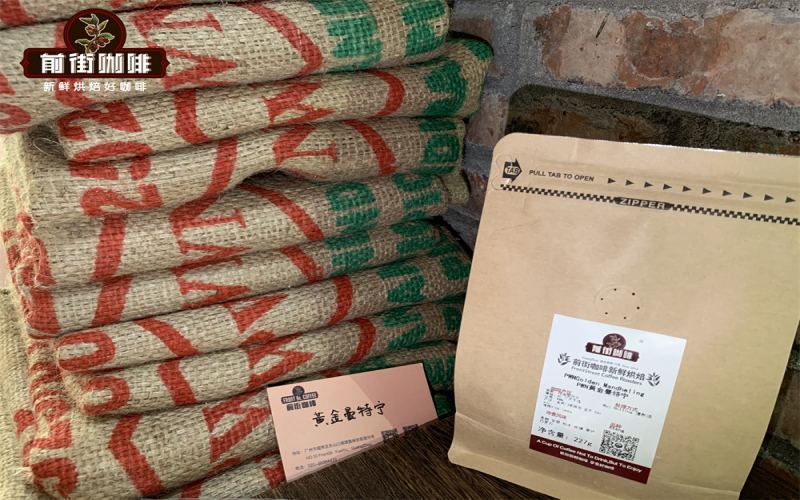
Mandheling Coffee Flavor Analysis: From Typica to Golden Mandheling – Variety Evolution and Brewing Guide
Mandheling coffee is famous for its rich, full-bodied taste and unique herbal spice aroma, but do you know the variety evolution and historical origins behind it? This article will take you deep into the planting changes of Indonesian coffee from Typica to Catimor, analyze the regional flavor that the wet-hulling process gives Mandheling, and trace the birth story of Golden Mandheling and PWN company's strict screening standards. At the same time, Front Street Coffee will share brewing techniques for Golden Mandheling, from dripper selection to parameter control, helping you fully release the rich layers of this dark-roasted coffee. Whether you are a beginner just starting out or a seasoned connoisseur, you can find a Mandheling flavor choice that suits you. [more…]
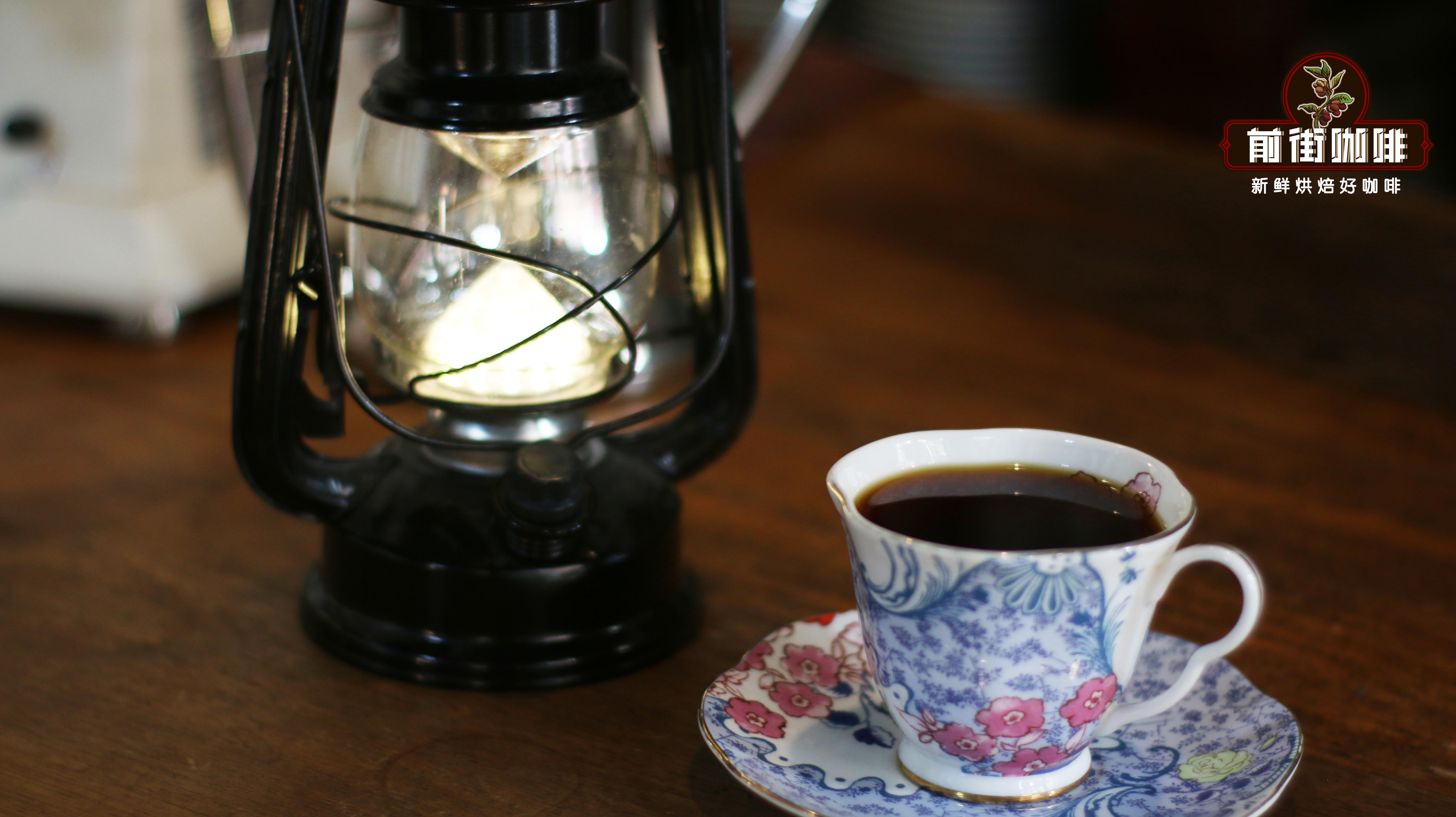
What is the difference between Golden Mandheling and regular Mandheling? A full analysis of wet-hulled flavor and pour-over parameters
Mandheling coffee, with its rich, full-bodied taste and distinctive herbal spice notes, has become a favorite among many seasoned coffee enthusiasts. As a premium representative within this category, what exactly sets Golden Mandheling apart from regular Mandheling? From the perspective of Front Street Coffee, this article traces the origins of the Mandheling name, details PWN's rigorous selection standards for Golden Mandheling, and takes a deep dive into how Indonesia's wet-hulling method shapes the classic "taste of place" found in Sumatran coffee. In addition, Front Street will share specific pour-over parameters and techniques for Golden Mandheling, helping you consistently brew a full, aromatic cup at home. [more…]